Joy, thou spark of flame immortal,
daughter of Elysium!
Drunk with fire, we dare step forward,
to thy heavenly shrine we come.
– Friedrich Schiller: Ode to Joy
Ludwig van Beethoven must have been enflamed by a spark of divine enthusiasm when writing his last symphony. When he finished his Ninth Symphony in 1824, he finally realised his idea of setting Friedrich Schiler’s Ode to Joy to music—an idea he had been toying with for over 30 years.
Already in 1792, an acquaintance of the composer informed Schiller’s sister that a “certain young man, whose talent enjoys widespread praise, proposes setting Schiller’s Freude to music. I expect something perfect because as I know him, he is entirely devoted to all that is great and lofty.”
On 7 May 1824, two hundred versions and more than three decades later, Beethoven introduced his last completed symphony in Vienna. Because of his deafness, he supposedly did not immediately notice that the concert had ended until the singer Caroline Unger turned him toward the audience so he could at least see the public’s enthusiastic reaction. The triumph was undeniable: “The public received its musical hero with the profoundest respect and sympathy, listening to his amazing, gigantic creations with absolute attentiveness. The most tempestuous applause erupted during individual passages and repeatedly at the end.”
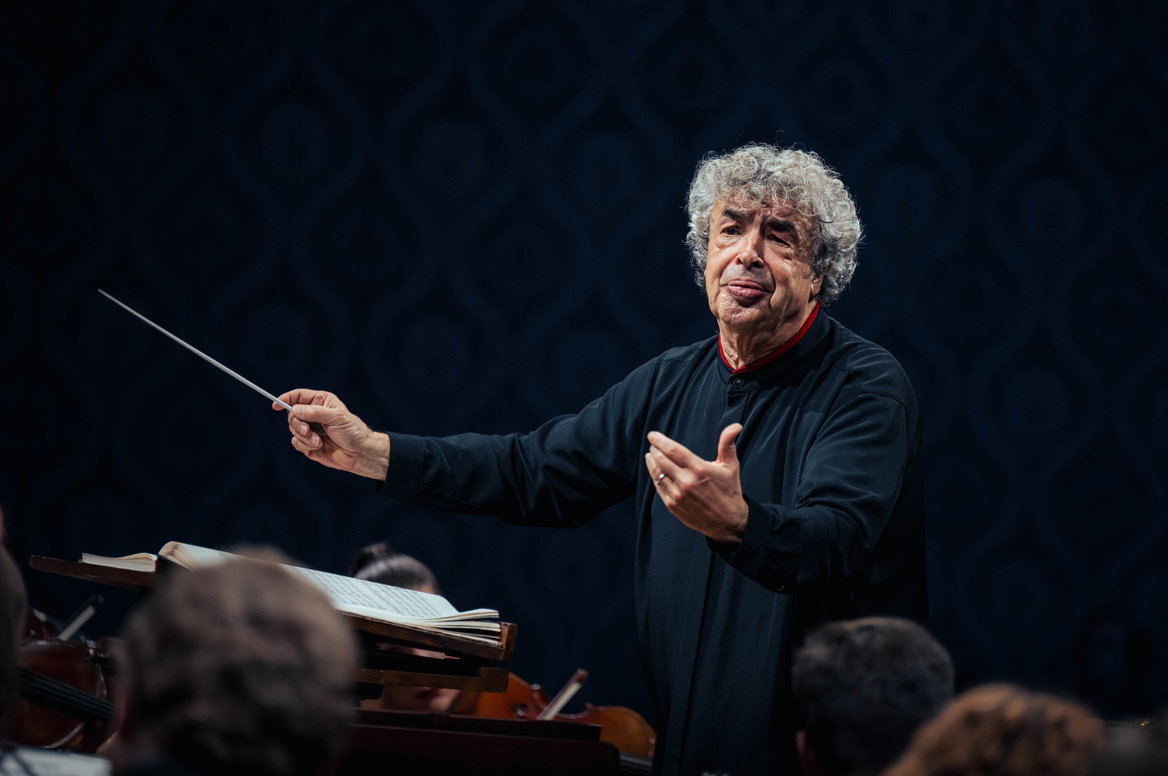
About Beethoven, the Czech Philharmonic’s chief conductor Semyon Bychkov says: “His genius corresponds to the level of his feelings. He magnifies everything: sorrow and happiness over its overcoming. There is nothing normal or predictable.”
So the only thing we will dare to predict is that this is something to look forward to.